 105,753 readers
 By Daniel Reyes
Carrying $20,000 or more in unsecured debt and wondering what else to explore? Start with the type of debt you have.
Explore My Debt OptionsThe payments were going out. That was the part they could point to whenever the subject came up.
They had two incomes. They covered the bills. When a credit card payment was due, they found a way to make it.
But one evening, with the statements open on the kitchen table, they looked beyond the amounts due. Across their cards, the balance was $41,000.
Then they looked at the payments they had already made.
How could so much money have left their checking account while so much debt remained?
They had been checking whether they could afford the next payment. They had rarely stopped to check how much the last payment had actually reduced what they owed.
They were keeping up with the payments. They couldn’t see the finish line.
That distinction changed the conversation. It gave them something concrete to investigate: where the money was going, and whether their current approach still made sense.
A payment and progress are two different numbers.
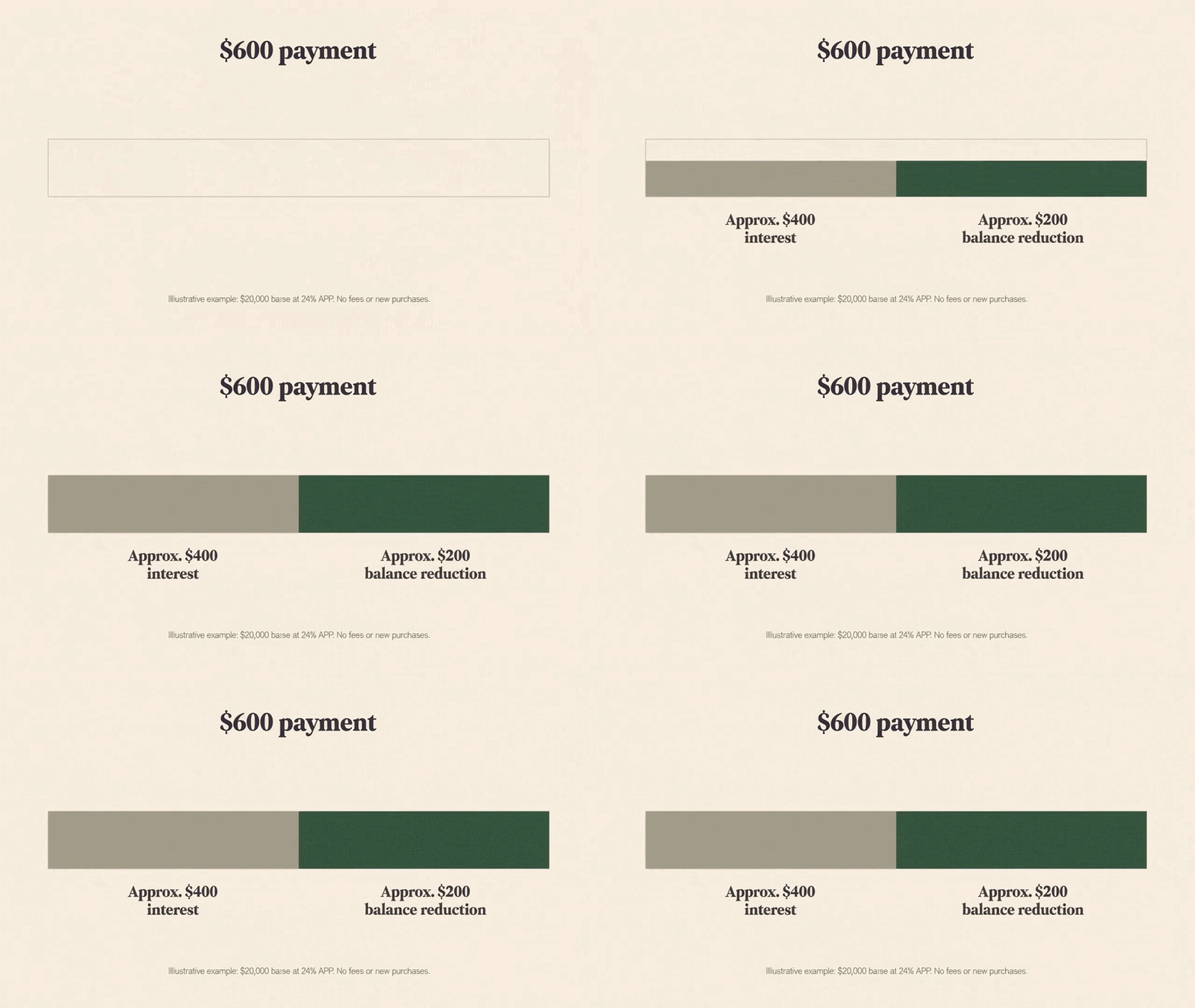
A credit card payment can cover interest as well as reduce the balance. When interest is high, the amount left to reduce the debt may be much smaller than the payment itself.
Here is a simplified example, separate from the couple’s story:
What a $600 payment might actually do
In that example, the household finds $600 to send. The balance falls by about $200. New purchases or fees could reduce that progress further.
That is why it helps to look at both numbers: what you paid and what you still owe.
The question that came next
The statements didn’t tell the couple which solution to choose. They showed why it was worth taking a closer look.
“How do we make next month’s payments?”
“What other ways of dealing with this debt should we understand?”
For someone in a similar position, that could mean reviewing repayment strategies, asking creditors about hardship arrangements, talking with a nonprofit credit counselor, or exploring debt relief and its tradeoffs.
The right fit depends on the person’s circumstances. A large balance alone doesn’t answer that question.
Want to explore debt assistance? Start the partner assessment →
Start with what you owe.
The linked Financial Health Network page begins with a straightforward question: “What kind of debt do you have?”
It offers choices including credit cards, personal loans, and collections. The service describes using the information you provide to assess your situation and potentially match you with a debt specialist.
- Select your debt type.Begin with the category or categories that describe your debt.
- Provide the information requested.Review the partner’s terms and contact permissions as you move through the assessment.
- Consider any proposed next step.Ask about eligibility, costs, credit impact, and alternatives before agreeing to a service.
You are exploring a possible next step. Completing an assessment does not itself mean your debt will be reduced or that you will qualify for a program.
Understand what may be worth exploring.
If substantial debt payments are squeezing your budget and the balances barely seem to move, you can start the partner’s assessment with your debt type.
Explore My Debt OptionsYou’ll leave The Debt Guide for Financial Health Network.